Women Rising Radio 51 features candidates refusing to be bought and bossed by PACs, poliltical action committees, and envisioning their own campaigns as movement building. https://www.womenrisingradio.com/2026/04/22/women-rising-radio-51-candidates-refuse-pac-money/ The following article by activist Morgan Harper fits right in with that work.
Beyond The Ballot: Building The Movement Democrats Won’t
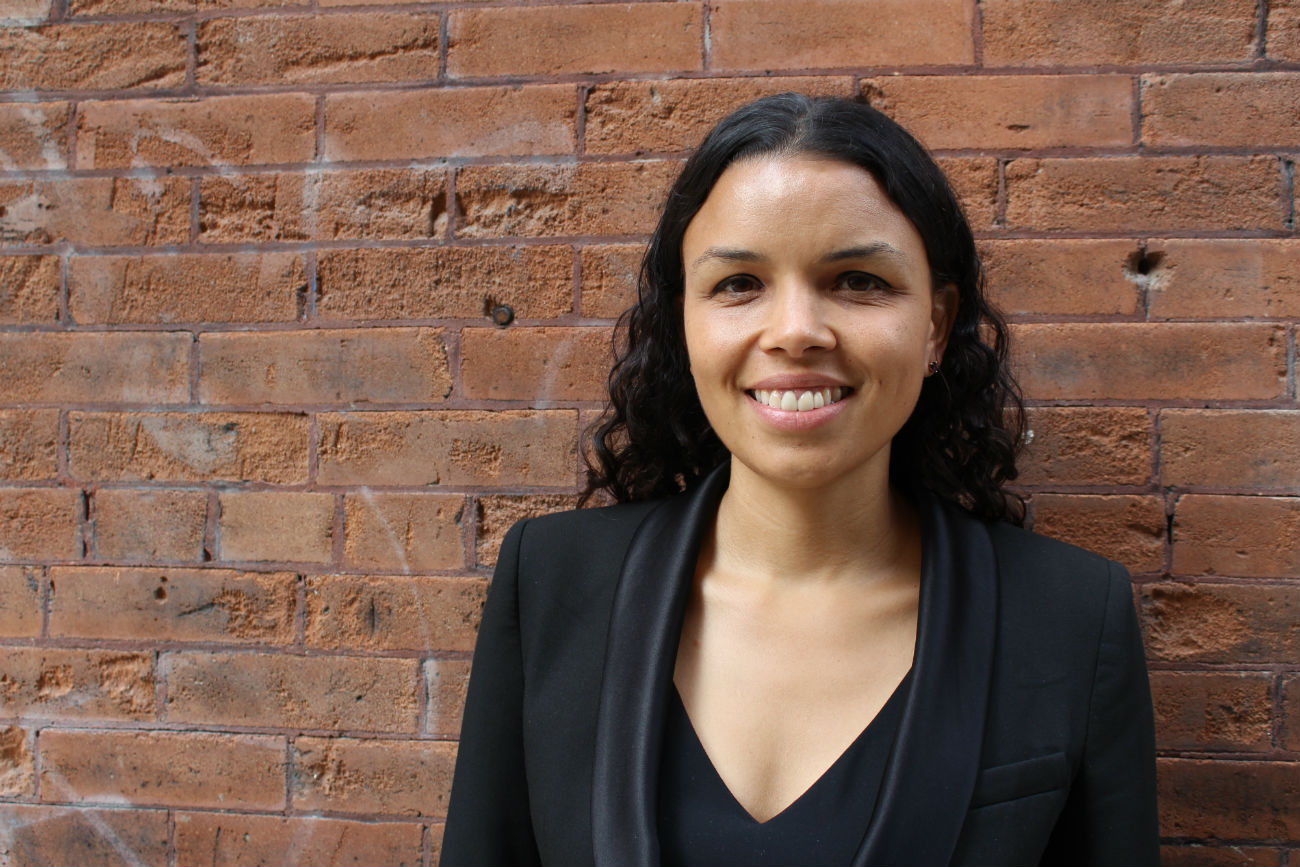
Morgan HarperMorgan Harper (@mh4oh) is Co-Founder and Executive Director of Columbus Stand Up! and Director of Policy and Advocacy at the American Economic Liberties Project.
Six years ago this month, in the middle of the first Trump administration, I quit my job and launched a campaign for Congress against a Democratic incumbent in the city where I was born and raised – Columbus, Ohio. I ran because Donald Trump posed a clear threat to the stability of the United States, and I knew fending off his growing Make America Great Again (MAGA) movement would take a different type of leadership than what most congressional Democrats were providing.
Now, after passing the 100-day mark of Trump’s second presidency and with the country wondering when an economic crisis of his own making will hit, we are once again witnessing our political leaders mount an almost tragically insufficient opposition.Democratic party leadership has not applied the policy or political lessons that the MAGA era has taught us—and it’s time we stop waiting for them to try. Instead, communities across the country must connect and determine our own vision for the next phase of American life.
Economic Challenges Too Big for Consumer Protection
Deciding to run for Congress in 2020 was a pivot from my career trajectory up to that point. I had never run for office, and I considered myself more of a policy person. For much of my life, I was convinced that if we came up with good ideas and had the right people in charge to implement them, we could solve the economic issues plaguing the people of central Ohio, and the country writ large.
My firsthand experience in Washington disabused me of this notion. I worked at the Consumer Financial Protection Bureau (CFPB) for a little over three years, first as a regulatory attorney and then as an adviser to the first Director, Richard Cordray. He was laser-focused on bringing financial relief to American consumers after the 2008 financial crisis—a goal the CFPB’s top-notch talent accomplished, securing billions of dollars in restitution through enforcement actions.
But after a few years, I had to acknowledge that restitution checks for a few hundred dollars were not fully solving Americans’ financial troubles. Many of the Central Ohio neighborhoods struggling over the course of my entire life were still struggling all the same. Formerly stable middle class neighborhoods were slipping further behind after waves of foreclosures, steady job losses paired with declining job quality, and a failing city school system. Small businesses that had been staples of the community continued to disappear with seemingly no explanation aside from vague notions about the inevitability of neighborhood change.
Then Trump won. He won running on racism and Islamophobia, certainly, but he also won on rhetoric that spoke to the reality I had observed on the ground in Ohio – all was not well in American life, and Democrats were not being honest about it. The financial crisis was supposedly over but the economic challenges facing working-class people continued to compound. And this reality faced people not only in rural areas, a phenomenon Keith Orejel has noted previously in these pages, but also in the very center of an urban area like Columbus – Ohio’s economic crown jewel. If Democrats would not acknowledge this reality, meet people where they were, and become even more aggressive than Trump in tackling economic challenges, I didn’t see a path to stopping him or his burgeoning political movement.